2026 Back to School Digital Paper: A Comprehensive Evaluation
The transition into a new academic year requires preparation, creativity, and organization. For educators, content creators, and small business owners, the visual identity of school materials plays a critical role in engagement. The 2026 Back to School Digital Paper pack represents a specific category of digital assets designed to meet these needs. This collection is not merely a set of background images; it is a curated ensemble of patterns and illustrations intended to support a wide range of educational and commercial projects. Understanding its composition, utility, and limitations is essential for determining if this resource aligns with your specific workflow and design goals.
Understanding the Product Composition
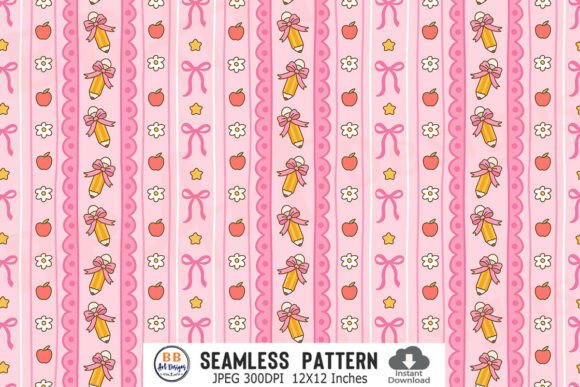
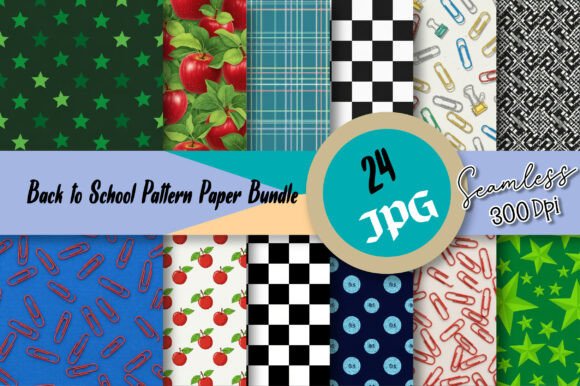
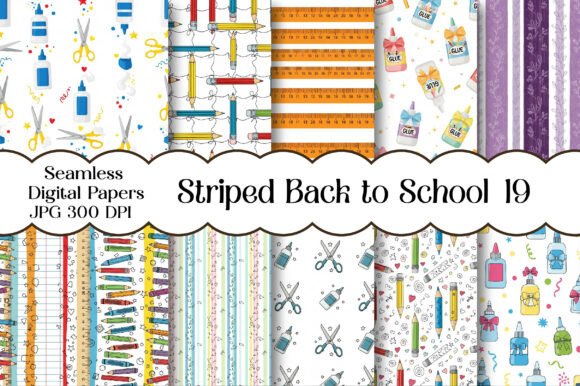
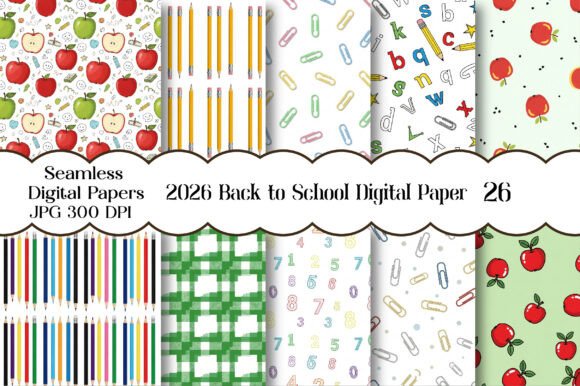
The core offering of the 2026 Back to School Digital Paper is a digital file set characterized by high-resolution JPG formats at 300 DPI. This resolution ensures that the files are print-ready, making them suitable for physical production without significant loss of quality. The aesthetic focus of this pack is described as whimsical, featuring fashionable educational sketches, stationary-oriented designs, and vivacious color palettes. These elements are combined to create infinite patterns that evoke the energy of a fresh start in the 2026 academic season.
Unlike generic clip art, these papers are structured as repeating patterns. This consistency allows for seamless tiling in design software, which is a technical requirement for many applications such as wrapping paper, large-scale posters, or textile prints. The inclusion of contemporary classroom and stationery illustrations adds a layer of thematic depth, moving beyond simple geometric shapes to include recognizable school-related iconography.
Primary Use Cases and Applications
The versatility of this digital paper pack makes it relevant across several distinct sectors. Evaluating where these assets fit best helps users maximize their return on investment.
- Educational Resources: Teachers often need to produce printable worksheets, classroom decorations, and bulletin board cutouts quickly. The bright and sprightly color palettes are particularly effective for capturing student attention and creating an inviting learning environment.
- Digital Content Creation: Bloggers and social media influencers focusing on education can utilize these backgrounds for infographics, course covers, and promotional graphics. The "infinite patterns" allow for dynamic layouts that do not look repetitive when scaled.
- Commercial Products: Small businesses selling sublimation products, such as tumblers, mugs, and t-shirts, require high-quality vector or raster files. The 300 DPI quality of this pack supports direct printing for merchandise like stickers, labels, and fabric textiles.
- Personal Organization: Students and planners enthusiasts may use these designs for DIY craftwork, scrapbooking, or customizing notebook covers and diaries. The stationery theme resonates well with personal journaling and planning tools.
Benefits of Using Pre-Made Digital Paper Packs
There are compelling reasons to choose a pre-assembled collection like the 2026 Back to School Digital Paper over creating assets from scratch.
Time Efficiency: Designing unique patterns and illustrations from scratch requires significant time and specialized skills. A ready-made pack provides immediate access to cohesive designs, allowing users to focus on the content rather than the background aesthetics.
Cohesive Branding: When a user creates multiple items—such as a flyer, a sticker, and a social media post—it is vital that they share a unified look. These packs ensure that all colors, line weights, and illustrative styles match perfectly, maintaining professional consistency.
Technical Quality: Purchasing a dedicated pack guarantees that the files meet industry standards for print (300 DPI). Attempting to resize low-quality web images for print often results in pixelation, whereas these files are optimized for high-fidelity output.
Considerations and Potential Tradeoffs
While the benefits are clear, potential buyers must consider certain limitations inherent to stock digital assets.
Lack of Originality: Because these files are available for instant download to multiple users, the resulting designs may appear similar to those created by others. If a brand requires a strictly unique visual identity that cannot be replicated, a custom design commission might be necessary.
File Format Limitations: The product description specifies JPG files. While excellent for printing and web use, JPGs are raster-based, meaning they cannot be scaled infinitely without losing quality, nor can individual elements be easily isolated or edited within a vector editing program like Adobe Illustrator. Users needing to manipulate specific parts of an illustration may find this restrictive compared to SVG or AI formats.
Aesthetic Specificity: The style is defined as whimsical and fashion-forward. If a project requires a more serious, corporate, or minimalist academic tone, this collection may clash with the desired message. The "vivacious" nature of the colors is a strength for younger audiences but may be less effective for adult education contexts.
When to Choose Alternatives
Not every project is a fit for this specific pack. Readers should evaluate their needs against the following scenarios where alternatives might be superior.
If the primary goal is editable text integration, a template-based solution or a vector format would be preferable. With JPGs, any text added must be placed over the image, limiting layout flexibility.
For large-scale architectural or industrial printing, users should verify that the total file count meets the required coverage area. Some packs contain limited variations, which might result in visible repetition if used for covering entire walls or large banners.
Additionally, if the budget allows for custom illustration, hiring a designer can provide assets that are legally protected and uniquely tailored to a specific curriculum or brand voice, eliminating the risk of generic appearance.
Decision-Making Insights
To determine if the 2026 Back to School Digital Paper is the right choice, stakeholders should ask three key questions:
- Is the timeline tight? If materials are needed immediately for the upcoming semester, the instant download feature offers a decisive advantage over commissioning custom work.
- Does the target audience respond to playful aesthetics? For K-12 education, early childhood centers, and youth-focused brands, the whimsical style is highly appropriate. For higher education or professional training, a more subdued palette might be required.
- What is the end medium? If the output is primarily digital screens or standard-sized prints (like flyers and cards), the JPG format is ideal. For large-format signage or complex textile weaving, further technical verification is advised.
In conclusion, the 2026 Back to School Digital Paper serves as a robust tool for enhancing visual communication in the educational sector. It balances creativity with practicality, offering a high-resolution foundation for diverse projects ranging from classroom decor to commercial merchandise. By understanding its strengths in cohesion and efficiency, alongside its limitations regarding editability and originality, users can make informed decisions that best serve their academic and creative objectives.